LGBTQIA+ Affirming Christian Resources

Hey! I’m glad you’re here. The purpose of this page is to provide a list of resources for anyone within the evangelical Christian faith who is seeking a way to integrate LGBTQIA+ identities with their religious beliefs. Whether you’re an LGBTQIA+ individual yourself, know and love someone who is queer, or are simply seeking to expand your faith, I hope that this list has something to help you on your journey.
The resources below are divided into one of four categories: theology, memoir, community, and websites. Theology consists of books that address biblical arguments for and against queer affirming theology. Memoir is a selection of books that touch on the experiences of both queer people and allies within the church. The community section includes a variety of resource types that can help connect you with LGBTQIA+ individuals of faith. The websites are great resources to turn to for free, online definitions, blog posts, and further exploration of what it means to be queer and Christian. Finally, you’ll find a glossary at the bottom of this page that helps define some potentially new or unfamiliar terminology.
Theology
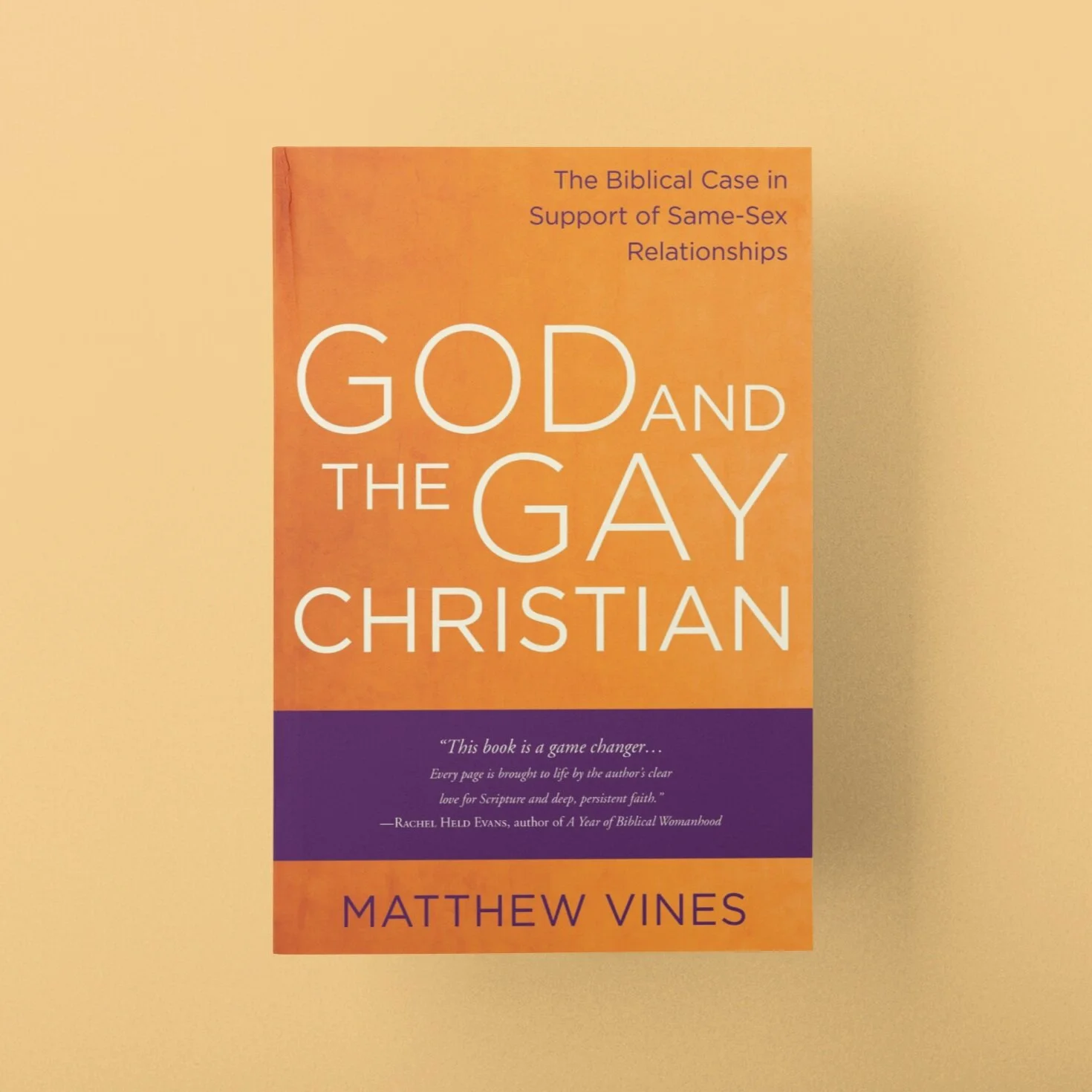
God and the Gay Christian: The Biblical Case in Support of Same-sex Relationships by Matthew Vines
Published April 2014
Purchase | Borrow From Library
No matter what level of in-depth Biblical knowledge you may already have, this book is the best starting point for taking the step from non-affirming to affirming in traditional evangelical Christianity. Matthew Vines, a gay Christian, clearly and concisely lays out a well-researched and thought-provoking analysis of what the Bible says about same-sex relationships and how it relates to common disagreements and traditional teachings. Biblical verses, historical context, and Christian theological teachings comprise the core of Vines' perspective. If you're having trouble understanding what the Bible says about same-sex relationships and don't want to sacrifice strong theology, Vines' book is the place to start.
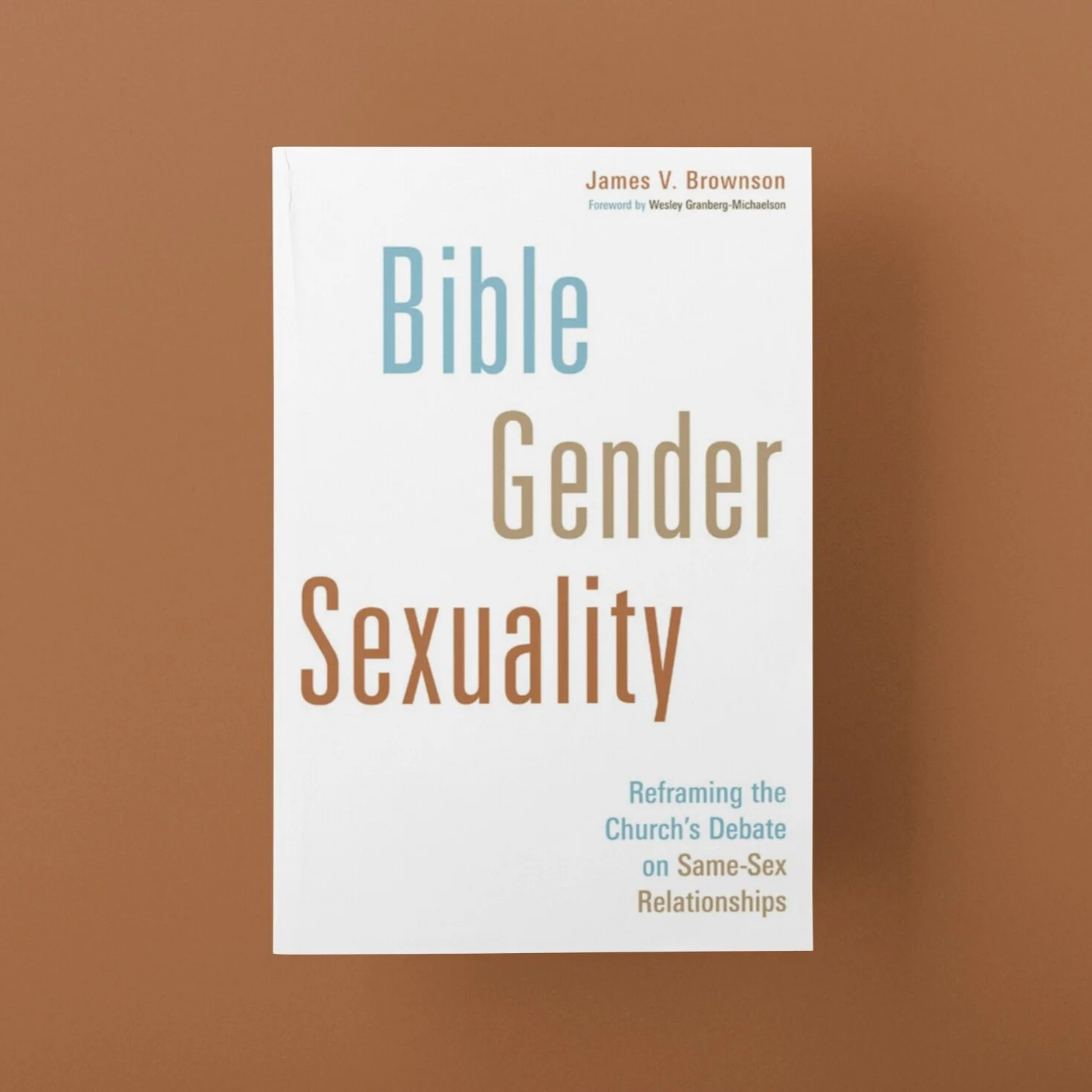
Bible, Gender, Sexuality: Reframing the Church's Debate on Same-Sex Relationships by James Brownson
Published February 2013
Purchase | Borrow From Library
While God and the Gay Christian is broken down by the six verses in the Bible that pertain to homosexuality, Brownson’s book takes a bigger picture perspective on the topics of gender and sexuality. Bible, Gender, Sexuality takes a thorough look at both affirming and non-affirming positions and challenges common theological assumptions. Brownson, a scholar and professor, chooses to look holistically at the Bible’s core themes and messages, making it a great choice for broad thinkers and anyone who feels as if the Bible’s messages on gender and sexuality are not confined to individual verses.

Walking the Bridgeless Canyon: Repairing the Breach between the Church and the LGBT Community by Kathy Baldock
Published October 2014
Purchase | Borrow From Library
Walking the Bridgeless Canyon by Kathy Baldock was written after the author, originally a non-affirming Christian, befriended a lesbian and proceeded to rethink her beliefs about sexuality. This book examines LGBTQIA+ identities from a biblical perspective and goes into historical, cultural, and scientific research on the enduring tensions between evangelicals and the queer community. Interwoven within her chapters of careful research are testimonies from real people who helped her find her way.
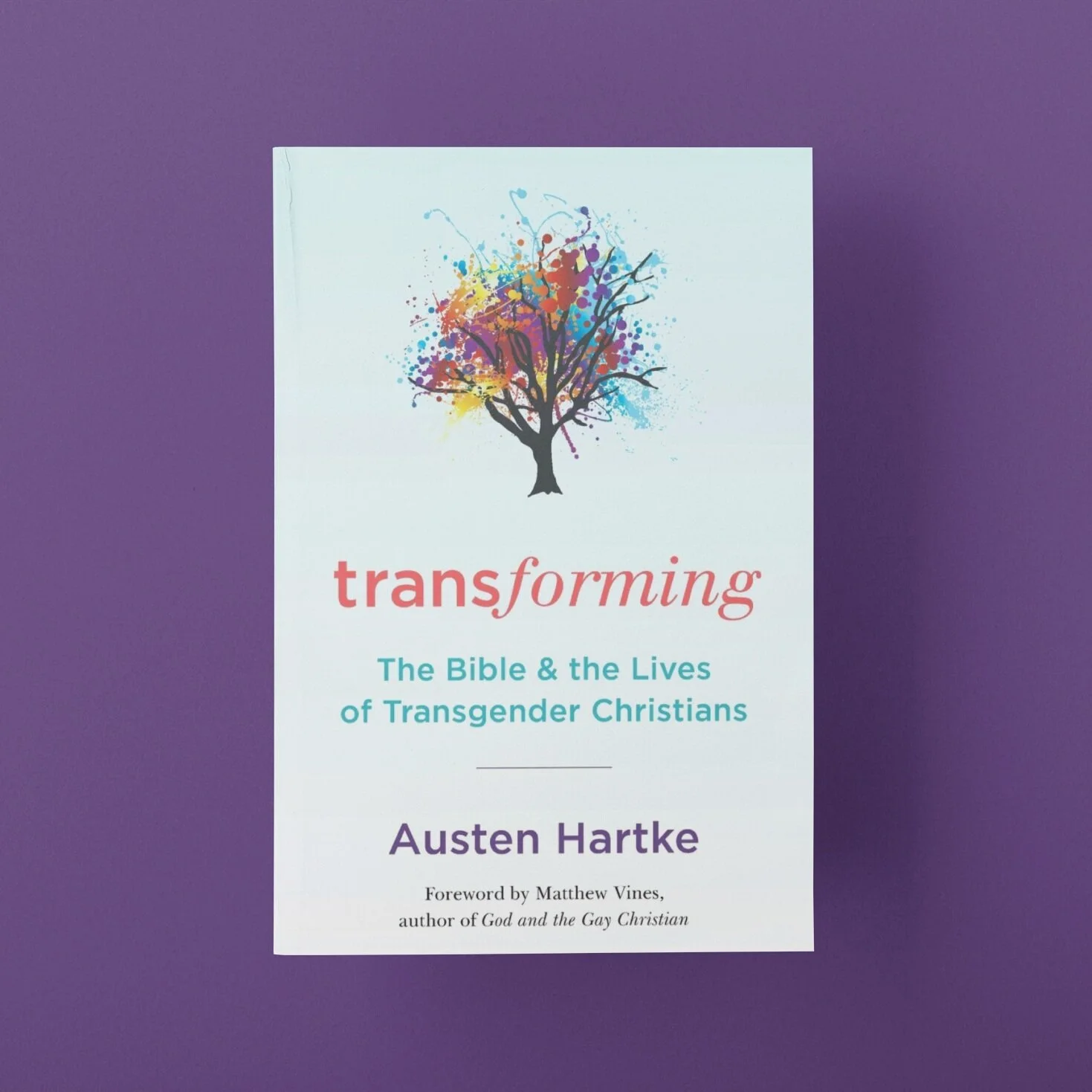
Transforming: The Bible and the Lives of Transgender Christians by Austen Hartke
Published March 2018
Purchase | Borrow From Library
The former three books in this section focus more on faith and sexuality, only touching briefly on gender. Hartke’s material dives deep into a biblical study that affirms the lives of transgender Christians. Including stories from real trans lives, both during biblical and modern times, Austen makes a compelling case for a more beautiful and gender diverse faith.
Memoir
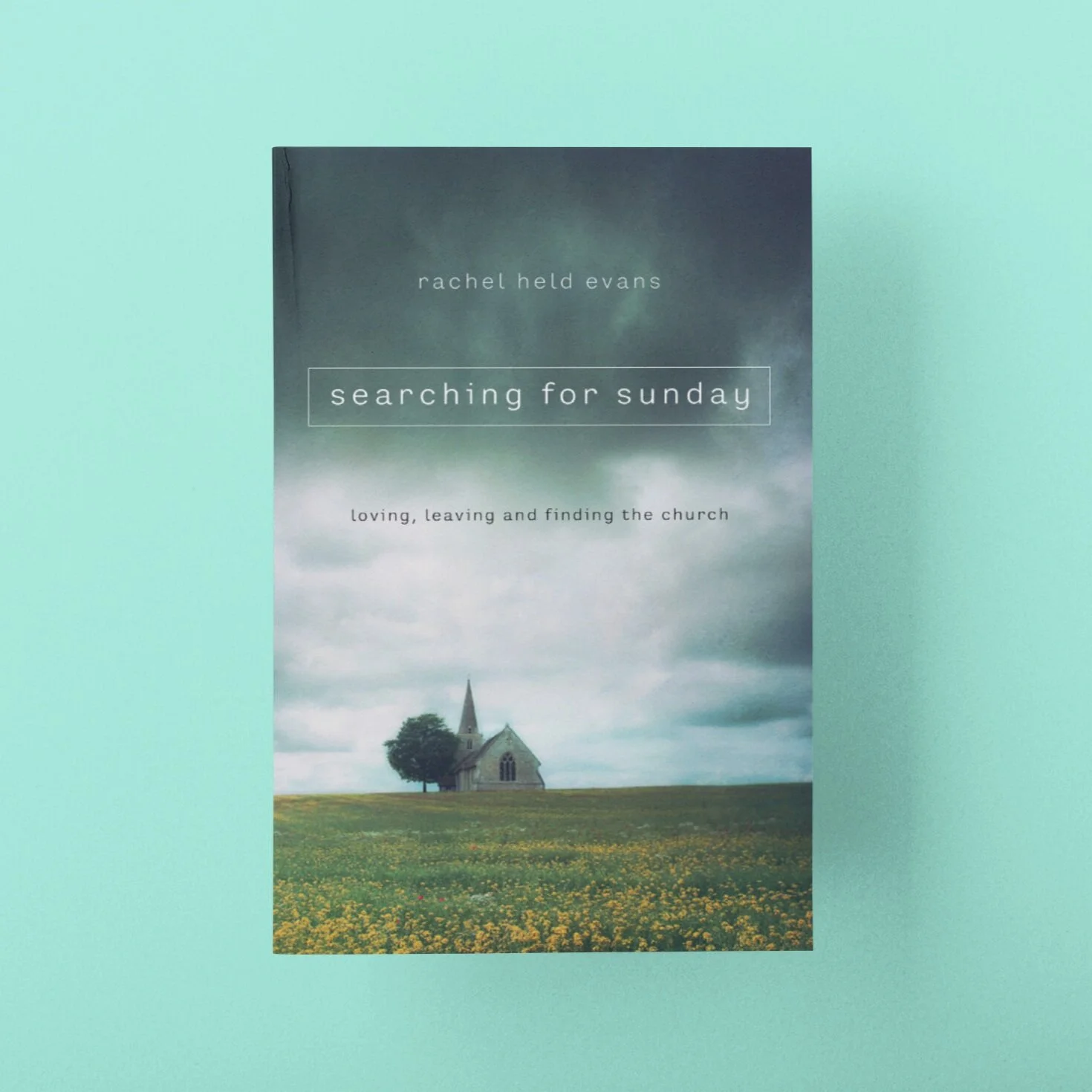
Searching for Sunday: Loving, Leaving, and Finding the Church by Rachel Held Evans
Published April 2015
Purchase | Borrow From Library
Rachel Held Evans has long been a strong voice within the world of queer-affirming Christianity despite not being queer herself. Part of her popularity has been the honesty and clarity with which she has spoken about her own struggle towards adopting an affirming stance and her consistent vocal allyship on behalf of queer Christians. Searching for Sunday is her most popular book. It speaks to her faith journey as a whole, not just in terms of gender and sexuality, making it an excellent book for anyone looking to view affirming theology from a more emotional and personal point of view.

Prayers for Bobby: A Mother's Coming to Terms with the Suicide of Her Gay Son by Leroy Aarons
Published August 1996
Purchase | Borrow From Library
Prayers for Bobby tells the heartbreaking story of a mother’s loss of her gay son Bobby, who struggled to accept his queer identity in the face of a disapproving family and faith community. Confronted first-hand with the devastating consequences of non-affirming theology, Bobby’s mother, Mary Griffith, works through her beliefs and eventually becomes a vocal advocate for LGBTQIA+ rights. Mary’s is a cautionary tale of how deeply a faith can wound those it excludes.
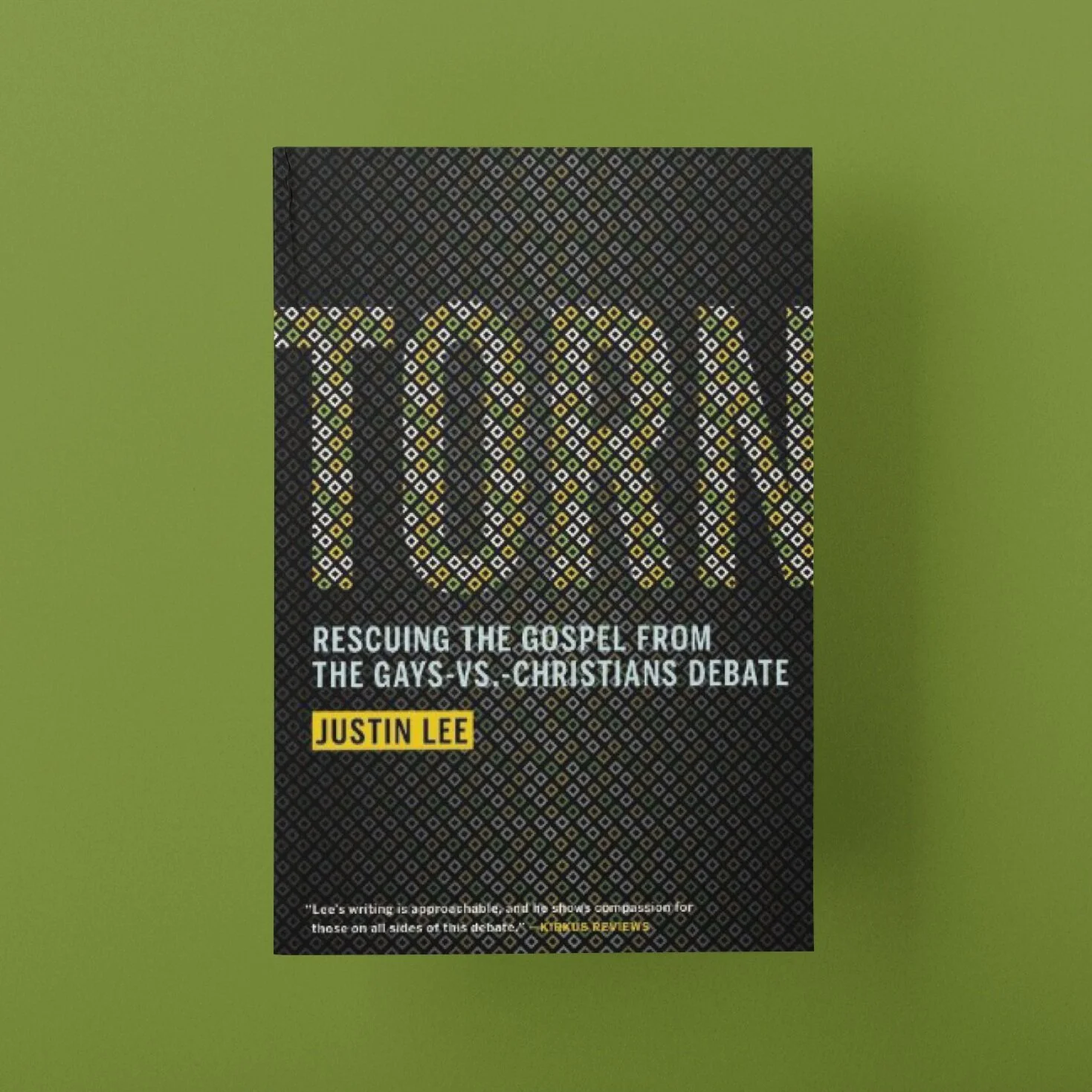
Torn: Rescuing the Gospel from the Gays-Vs.-Christians Debate by Justin Lee
Published May 2013
Purchase | Borrow From Library
Torn is Justin Lee’s own story of growing up gay and Christian in a world that told him he couldn’t be both. Recounting his experiences with conversion therapy, the “ex-gay” movement, and deep theological study, Lee eventually comes to accept his whole self and learns that his God can accept him too. While the book focuses on Lee’s journey, it also invites readers to consider their own beliefs and paves the way for reconciliation between Christians and LGBTQIA+ individuals.
Community
Kind Humans
Kind Humans is an organization dedicated to sharing the stories and testimonies of LGBTQIA+ individuals of faith. While it is an inter-faith organization, many of the individuals featured share significant similarities in their struggle to reconcile their faith and gender or sexual identity. Diving into theology and biblical study is an important part of queer affirmation, but so is hearing from real-life people who have walked this journey before.

Queerology
Subscribe on Apple Podcasts | Website
Queerology is a podcast hosted by Matthias Roberts, a gay Christian who knows what it’s like to wrestle with faith and sexuality. He’s made it his goal to provide resources that help other LGBTQIA+ people reconcile their beliefs with their sexuality and/or gender identity. Queerology is a weekly podcast that features various guests from different walks of life to have conversations on these intersections of “belief and being.”
Our Bible App
Website | Download for iPhone | Download for Android
Our Bible is an app created by and for LGBTQIA+ Christians who often feel excluded from popular Bible studies and devotionals. With gender-inclusive language, a diverse group of writers, and an expansive theological framework, turning to Our Bible can be a great way for LGBTQIA+ Christians to develop a personal spiritual practice. Much of the content, from the devotionals to podcasts to chatrooms, is free to access, but additional exclusive entries and episodes are available to subscribers at just $4.99/month.

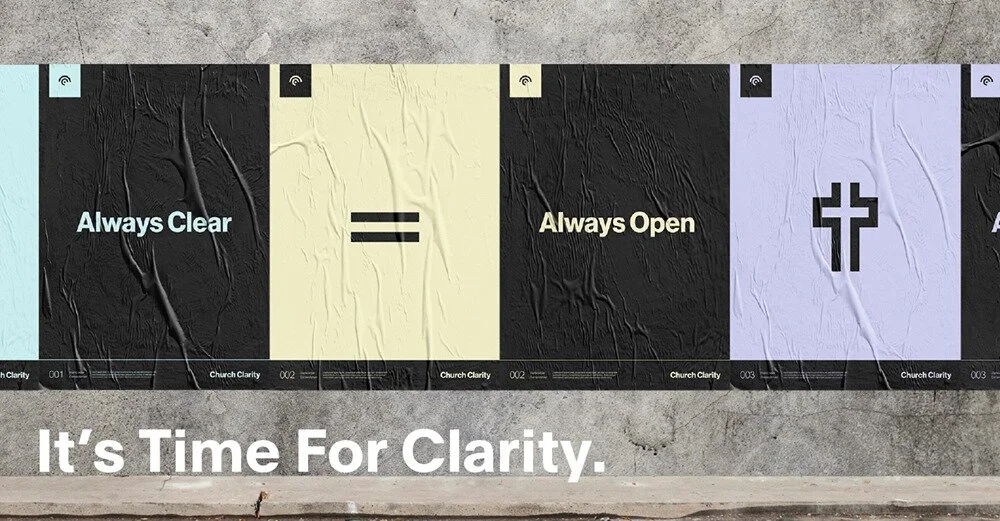
Church Clarity
Website | Facebook | Instagram | Twitter
Church Clarity is a database of churches organized according to their actively enforced policies on LGBTQIA+ identities and women in leadership. Many evangelical Christian churches proclaim that “all are welcome,” but their policies indicate that employees may not engage in queer relationships or that they won’t perform same-sex marriages. Anyone looking to attend a church shouldn't have to dig through pages and pages of doctrinal statements or denominational policies to determine whether or not their beliefs align. Church Clarity takes the headache out of it by scoring churches on the clarity of their policies, making no judgment on what they are, only whether or not they're clear, and allows visitors to make more educated choices about where they attend.
Websites

Queer Grace
Queer Grace is an encyclopedia of resources for LGBTQIA+ people of faith. If you’re looking for even more book recommendations, blog posts, definitions, and resources, this is the perfect starting point. Emmy Kegler, a queer, ordained Lutheran pastor from Minneapolis, MN, runs the website and has even written her own book about her faith journey, One Coin Found. Emmy is also active on Twitter within the #FaithfullyLGBT community, the officially unofficial hashtag of LGBTQIA+ individuals of faith.

TransFaith
Website | Facebook | Instagram
TransFaith is an inter-faith non-profit run by and for transgender people from any and every spiritual walk. For some people, their spiritual journey may lead them away from the Christian faith, and that’s okay. Exploring and appreciating the many different forms spirituality can take in an LGBTQIA+ individual’s life is an important part of affirmation. TransFaith provides resources for allies to learn more, an online faith community, and plenty of interesting articles and blog posts from trans faith leaders.
Q Christian Fellowship
Website | Facebook | Instagram | Twitter
Q Christian Fellowship, originally known as the Gay Christian Network, was founded by Justin Lee (who you may recognize as the author of Torn, one of the memoir picks) and is an inter-denominational organization that exists to support and affirm LGBTQIA+ Christians. QCF has a variety of resources for queer people, their families, allies, and churches, including ebooks, video, and even an annual conference. They’re also the name behind The Unchanged Movement, an affirming response to modern, evangelical conversion therapy.


Beloved Arise
Website | Facebook | Instagram | Twitter
Beloved Arise is an organization specifically for LGBTQIA+ youth of faith. When most evangelical denominations make out LGBTQIA+ identities to be sinful, coming out in a faith community can be an even more frightening experience than it already is. Beloved Arise seeks to build an affirming Christian community for youth who may feel disenfranchised by their family, home church, or youth group. Despite the challenges presented by the pandemic, Beloved Arise has been meeting virtually with youth across the country to provide peer connections and hope to all kinds of LGBTQIA+ Christian teens. They also have resources for parents and youth pastors who seek to bring affirmation and safety to any queer youth in their lives or ministries.
Glossary
All definitions courtesy of UC Davis’ LGBTQIA Resource Center unless otherwise noted.
Affirming - (Definition from qchristian.org) Affirming theology maintains that the gender identities, sexual orientations, and sexual relationships of LGBTQ+ individuals are equally as good and holy in the sight of God as those of cisgender, heterosexual people.
Proponents of this view extend an unqualified invitation to our LGBTQ+ siblings to participate fully in the life of the church, including weddings, membership, and leadership positions. Members of the LGBTQ+ community may espouse different variations of affirming theology according to each individual’s personal convictions. These can be broadly grouped into two categories, although individuals may hold convictions somewhere between these definitions:
Side A Theology: Any theology which fully affirms both LGBTQ+ identity and same-gender sex. Side A theology fully affirms same-gender relationships, marriage and sex as good and acceptable to God. Side A theology also recognizes that celibacy may be freely chosen for many reasons, including by individuals who identify along the spectrum of asexuality. Individuals within this theological framework may hold a broad range of sexual ethics.
Example: Antonio, an Anglican priest, just celebrated his sixth wedding anniversary with his husband Jeff.
Side B Theology: Any theology which affirm LGBTQ+ identities, yet maintains that Christians should refrain from same-gender sex for a variety of personal and/or theological reasons. This includes single, celibate LGBTQ+ Christians as well as those in celibate partnerships and mixed-orientation marriages. These are marriages wherein at least one person is married to a person of a differing sexual identity, such as a heterosexual man married to a gay woman. Within the Q Christian Fellowship community, Side B refers to a theological viewpoint reserved for LGBTQ+ persons only. When celibacy is imposed by cisgender, heterosexual people onto others, it is referred to as non-affirming.
Example: After struggling with internalized shame about her sexual identity, Mia came out as a lesbian this year. In full acceptance of who God created her to be, Mia embraces celibacy as a faithful expression of her personal theological convictions.
Aromantic (or aro) - A romantic orientation generally characterized by not feeling romantic attraction or a desire for romance.
Asexual (or ace) - A broad spectrum of sexual orientations generally characterized by feeling varying degrees of sexual attraction or a desires for partnered sexuality.
Bigender - Having two genders, exhibiting cultural characteristics of masculine and feminine roles
Bisexual - A person whose primary sexual and affectional orientation is toward people of the same and other genders, or towards people regardless of their gender.
Cisgender - A gender identity, or performance in a gender role, that society deems to match the person’s assigned sex at birth.
Demisexual - A sexual orientation in which someone feels sexual attraction only to people with whom they have an emotional bond.
Gay - A sexual and affectional orientation toward people of the same gender.
Gender Identity - A sense of one’s self as trans, genderqueer, woman, man, or some other identity, which may or may not correspond with the sex and gender one is assigned at birth.
Gender Expression - How one expresses oneself, in terms of dress and/or behaviors.
Intersex - An umbrella term to describe a wide range of natural body variations that do not fit neatly into conventional definitions of male or female.
Lesbian - A woman whose primary sexual and affectional orientation is toward people of the same gender.
LGBTQIA+ - Initialism whose letters stand for lesbian, gay, bisexual, transgender, queer/questioning, intersex, asexual, and more (as indicated by the “+” at the end)
Non-Affirming - (Definition from qchristian.org) Non-affirming theology commonly appears in two different ways:
The first affirms the existence of LGBTQ+ identities, but adheres to a ‘traditional’ view of marriage and sex as designed for one man and one woman. This version requires that LGBTQ+ persons remain celibate and is a conviction imposed upon others by cisgender, heterosexual persons.
Example: Tiffany’s son Lionel just came out as gay. She tells him she accepts his identity, but urges celibacy as the only way to be acceptable to God as a gay Christian. More about Q Christian’s hope for parents and their LGBTQ+ children can be found on our FAQ page.
The second views LGBTQ+ identities themselves as aberrant, disordered, or in some other way illegitimate and therefore inherently outside God’s approval and blessing. This view implicitly or explicitly supports efforts to alter someone’s sexual orientation or gender identity through conversion therapy practices, and is sometimes referred to as Side X or Ex-gay ideology. Side X/Ex-gay ideology is both dangerous and medically discredited. Q Christian addresses the ramifications of this theology through the UNCHANGED Movement.
Example: Jane schedules a meeting with her pastor, Robert, to discuss her anxiety over reconciling her faith with her bisexuality. Robert counsels Jane to start attending the church’s new support group for congregants desiring to change their orientations. He assures her she will be “free” from her wayward attractions.
Nonbinary (or enby) - A gender identity and experience that embraces a full universe of expressions and ways of being that resonate for an individual, moving beyond the male/female gender binary.
Pansexual - Used to describe people who have romantic, sexual or affectional desire for people of all genders and sexes.
Queer - Historically, queer has been used as an epithet/slur against people whose gender, gender expression and/or sexuality do not conform to dominant expectations. Some people have reclaimed the word queer and self identify in opposition to assimilation (adapted from “Queering the Field”). For some, this reclamation is a celebration of not fitting into social norms. Not all people who identify as LGBTQIA use “queer” to describe themselves. The term is often considered hateful when used by those who do not identify as LGBTQIA.
Sexual Orientation - An enduring emotional, romantic, sexual or affectional attraction or non-attraction to other people.
Transgender (or trans) - An adjective used most often as an umbrella term and frequently abbreviated to “trans.” Identifying as transgender, or trans, means that one’s internal knowledge of gender is different from conventional or cultural expectations based on the sex that person was assigned at birth. While transgender may refer to a woman who was assigned male at birth or a man who was assigned female at birth, transgender is an umbrella term that can also describe someone who identifies as a gender other than woman or man, such as non binary, genderqueer, genderfluid, no gender or multiple genders, or some other gender identity.
Important Note - When it comes to gender and sexuality, it's important to allow individuals to self-identify. Definitions like those above tend to be oversimplified. A person can choose to identify with any number of terms that they deem fit, even if it may seem confusing or contradictory to you.
Outdated Terminology - The worlds of gender and sexuality are constantly evolving. That means the terminology often changes as well. Words you may have seen or heard even just a few years ago can fall out of favor. In these instances, it's important to be open to correction and remember that using proper terminology is an act of kindness and respect.